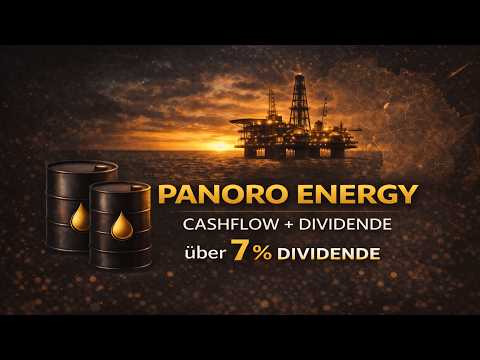
Panoro Energy: Company Profile & Operations Overview
Panoro Energy ASA (Oslo: PEN) is a Norwegian-listed independent E&P company focused on oil production in West and North Africa, with a market capitalization of approximately $250 million. The company holds producing assets in Gabon (offshore) and Tunisia (onshore and offshore), along with exploration acreage in both countries. Panoro is a micro-cap producer that punches above its weight in terms of cash flow generation, operating margins, and dividend yield — a profile that attracts specialist energy investors seeking concentrated exposure to undervalued African upstream assets.
The company was initially formed as the African spinout from the Scandinavian E&P company Norse Energy in 2009 and has since refocused its portfolio through a series of acquisitions, most notably the 2020 acquisition of Tullow Oil's Gabonese assets. This transaction transformed Panoro from a marginal Tunisian producer into a diversified African upstream company with meaningful scale and cash flow generation. The Gabon acquisition was widely regarded as one of the most value-accretive E&P deals of the year, acquired at a fraction of asset NPV during the COVID-19 downturn.
Panoro Energy Production Profile: Output, Mix & Growth
Panoro's working interest production runs approximately 10,000-12,000 boe/d, almost entirely oil. The Gabonese assets — primarily the Dussafu Marin permit (operated by BW Energy) and the Ezanga complex of onshore fields — contribute roughly 70% of total production. The Tunisian assets, centered on the TPS (Thyna Petroleum Services) operated permits in the Gulf of Gabes and the Sfax region, contribute the remaining 30%. The oil-heavy production mix means Panoro's revenue is almost entirely driven by Brent crude pricing, providing pure exposure to the oil price with minimal gas-related dilution.
Near-term production growth is driven by infill drilling and workover programs at the Gabonese fields, where Panoro has identified significant behind-pipe opportunities and undrained fault blocks. The Dussafu development, operated by BW Energy, is progressing through a phased program targeting additional subsea tiebacks to the BW Adolo FPSO. The Tunisian assets provide stable base production with modest growth from recompletion and field optimization activities. Management has guided for production growth to approximately 14,000-16,000 boe/d by 2027-2028 through organic development alone.
Panoro Energy Break-Even: Oil Price Sensitivity & Cash Costs
Panoro's corporate break-even is approximately $35/bbl Brent, reflecting the low operating costs of its mature Gabonese and Tunisian fields. Operating expenditure runs approximately $18-22/boe on a working interest basis, which is competitive for African offshore and onshore conventional production. The Gabonese operations benefit from existing infrastructure, long production histories, and well-understood reservoirs that minimize technical risk. At $75/bbl Brent, Panoro generates approximately $80-100 million in annual free cash flow — an extraordinary figure relative to its $250 million market cap, implying an FCF yield of approximately 18.5%. This extreme valuation discount is the core of the investment case.
Panoro Energy Dividend Model: Yield, Coverage & Sustainability
Panoro initiated a dividend in 2022, signaling management's confidence in the sustainability of cash flows. The current annual dividend is approximately NOK 2.00 per share, yielding roughly 4.5%. While the absolute yield appears moderate, it is conservative relative to the company's cash generation capacity, reflecting management's decision to retain capital for organic growth and debt reduction. As debt is paid down and production grows, the dividend has meaningful upside potential. The dividend coverage ratio implies a payout of approximately 20-25% of free cash flow, leaving ample room for increases. Norwegian withholding tax of 25% applies, reclaimable to 15% under the US-Norway tax treaty for US investors who can access the Oslo-listed shares through international brokerage accounts.
Key Risks of Investing in Panoro Energy (PEN)
- Micro-cap and liquidity risk: With a $250 million market cap and Oslo-only listing, Panoro is extremely illiquid for most US investors. Daily trading volume is thin, and position entry/exit can meaningfully move the stock price.
- African political and regulatory risk: Gabon experienced a military coup in August 2023, and while the new government has been supportive of the petroleum sector, political instability remains a risk. Tunisia faces economic challenges that could lead to unfavorable fiscal changes.
- Operator dependency: Panoro is a non-operator in its largest asset (Dussafu), meaning the company depends on BW Energy's operational decisions and capital allocation priorities.
- Concentration risk: With only two producing countries and a handful of assets, any single operational disruption has a disproportionate impact on company-wide production and cash flow.
- Reserve life concerns: Mature conventional assets have finite production horizons. Without successful exploration or acquisitions, production will naturally decline over a 10-15 year horizon.
Panoro Energy 2026: Investment Thesis & Verdict
Panoro Energy is a classic deep-value micro-cap opportunity that requires specialist knowledge and risk tolerance. The 18.5% FCF yield at current oil prices represents an extreme valuation discount driven by the micro-cap size, African jurisdiction premium, and Oslo-only listing — factors that exclude the stock from most institutional mandates. For investors who can access the Oslo market and are comfortable with the concentrated risk profile, Panoro offers leveraged upside to oil prices with a growing dividend floor. The Gabonese assets acquired in 2020 have proven to be exceptionally high-quality, and organic growth toward 14,000-16,000 boe/d would further validate the undervaluation. This is a high-conviction, small-position opportunity — appropriate for the speculative sleeve of an energy portfolio where the potential for 50-100% upside justifies the elevated risk profile. Compare with Aker BP, which offers a similarly high yield from Norwegian operations but with significantly lower jurisdictional risk.
Related Upstream Analyses
- Aker BP 2026: 10% Yield Norwegian Oil Giant
- Devon Energy 2026: 8% Variable Dividend
- Equinor Analysis
- Chevron (CVX) 2026 Analysis
- ConocoPhillips Analysis
- Debitum 2026: 11% XIRR P2P Alternative — Real Review
- TORM (TRMD) 2026: Tanker Dividend Analysis
Understanding FCF for dividends? → Free Cash Flow Explained: Why FCF Is the Only Metric That Matters →
Disclaimer: This analysis is provided for informational and educational purposes only and does not constitute investment advice, a recommendation, or a solicitation to buy or sell any security. All data is based on publicly available information and estimates as of March 2026. Past performance does not guarantee future results. Always conduct your own due diligence and consult a qualified financial advisor before making investment decisions.
🇩🇪 Deutsche Version: Diesen Artikel auf Deutsch lesen | 🌐 MB Capital Strategies (DE)